_edited.png)

OUR SERVICES


DRAPER SENSORY THERAPY
Draper Sensory Therapy is a specialized therapeutic approach that uses the natural rhythmic movement of horses to stimulate and regulate the brain and nervous system.
Unlike traditional horseback riding programs, Draper Sensory Therapy focuses on intentional sensory input and neurological stimulation. Specific riding positions and controlled movement patterns are used to activate sensory pathways and improve the way the brain processes information.
One of the most unique aspects of Draper Sensory Therapy is riding the horse backwards. This position activates different areas of the brain responsible for balance, spatial awareness, coordination, and neurological integration.
The horse’s walk produces a three-dimensional movement pattern that closely mirrors the natural human walking motion. As the rider moves with the horse, the brain receives hundreds of sensory signals each minute. These signals help stimulate and organize the vestibular system (balance), proprioceptive system (body awareness), and tactile system (touch).
For individuals whose nervous systems have been impacted by trauma, neurological injury, developmental conditions, or chronic stress, this movement can help create new neural connections and improve overall regulation.
NEUROLOGICAL AND EMOTIONAL BENEFITS
Participants in Draper Sensory Therapy may experience improvements across several areas of functioning.
Neurological benefits may include improved balance, coordination, sensory integration, and neural connectivity. The brain receives repetitive rhythmic input that encourages the development of new neural pathways and supports better communication between different regions of the brain.
Emotionally, the presence of the horse can have a profound calming effect. Horses are highly sensitive herd animals that naturally respond to human emotion and body language. Their steady rhythmic movement and non-judgmental presence can help reduce anxiety, promote emotional regulation, and increase confidence.
Physically, riders often develop stronger core muscles, improved posture, greater body awareness, and increased coordination.
For many participants, the combination of sensory stimulation and emotional connection creates a therapeutic experience that cannot be replicated in a traditional clinical setting.

POPULATIONS BENEFITTING FROM OUR SERVICES
Hope in Her Eyes serves individuals and families through equine-assisted activities tailored to their needs.
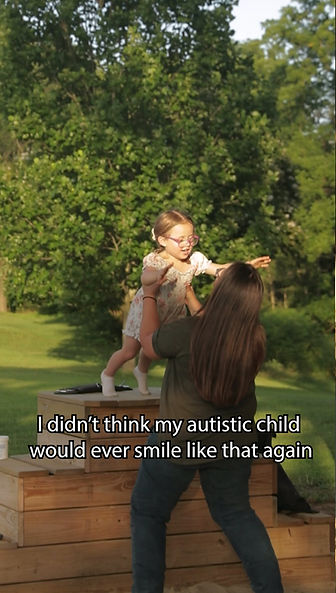
Children with Autism Spectrum Disorder
These children benefit from the horse’s movement, which helps regulate sensory processing, improve focus, and boost engagement.
Veterans and Active Duty Military
Veterans and active-duty military members gain support for rebuilding trust, confidence, and resilience as they face trauma, stress, and reintegration challenges.
Individuals with Traumatic Brain Injury
They show improvements in coordination, balance, and neurological communication through sensory stimulation.
Individuals with Anxiety or Depression
Individuals experiencing anxiety, depression, or emotional dysregulation find relief in the calming presence of the horse and structured sensory input
Individuals with Seizure Disorders
Those with seizure disorders, including focal seizures, benefit from nervous system regulation and enhanced body awareness via controlled sensory input.
Individuals with Various Neurological Conditions
Hope in Her Eyes also supports those experiencing trauma, sensory processing challenges, and other neurological conditions.
EXPERIENCE PEACE AND HEALING